

Tejano culture is a blend of Mexican and Texan influences, and San Antonio is considered the epicenter of it. It offers a unique glimpse into the lives and heritage of Tejanos who have played an important role in shaping the identity of the city. In this article, we’ll take a look at the different facets of Tejano culture in San Antonio. These include its historical roots up to its modern-day expressions. Let us celebrate the enduring legacy and dynamic presence of this community.
Historical Background
Tejano culture is deeply rooted in the history of Texas and reflects a rich blend of Mexican and Texan traditions. Understanding its origins and evolution provides insight into the vibrant community that flourishes in San Antonio today.
Origins of Tejano Culture
Tejano culture originated in the 18th century when Spanish colonizers established missions and settlements in what is now Texas. The term “Tejano” refers to Texans of Mexican descent, and their culture emerged from the intermingling of Spanish, Indigenous, and later Mexican influences. Early Tejanos were instrumental in developing the region, contributing to its agricultural, economic, and social foundations.
Evolution Over the Years
As Texas transitioned from Spanish to Mexican rule, and eventually to an independent republic before becoming a state of the United States, Tejano culture continued to evolve. The 19th and early 20th centuries saw significant changes, including:
- Integration of New Immigrants: German, Polish, and other European immigrants brought new customs and traditions, enriching the cultural tapestry.
- Music and Dance: Tejano music began to take shape, blending traditional Mexican sounds with influences from European settlers. Instruments like the accordion became central to Tejano music.
- Language and Identity: The blending of Spanish and English created a unique linguistic identity, with Tejanos navigating between both cultures.
Key Historical Events in San Antonio
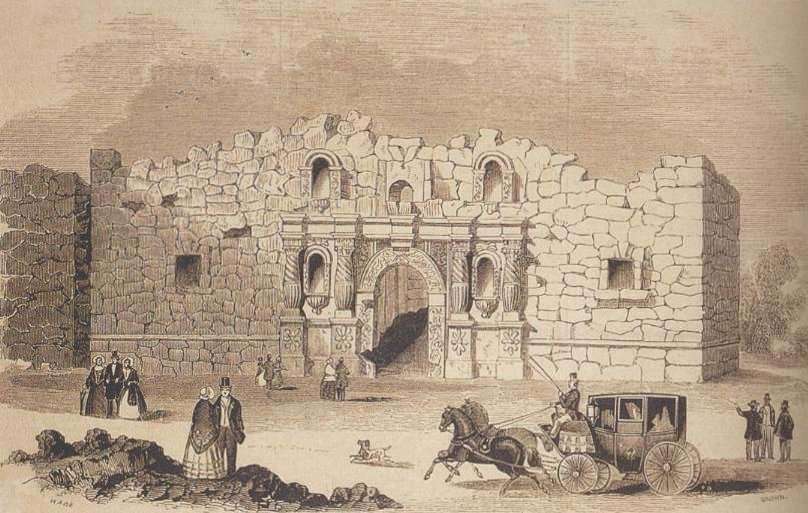
Several key events have shaped Tejano culture in San Antonio:
- The Battle of the Alamo (1836): A pivotal moment in Texas history, where many Tejanos fought alongside Anglo settlers for independence from Mexico. This event cemented the Tejano commitment to the region.
- The Mexican Revolution (1910-1920): This period saw an influx of Mexican refugees into Texas, particularly San Antonio, which further enriched Tejano culture with new traditions and practices.
- Civil Rights Movement (1960s-1970s): Tejanos played a significant role in the Chicano Movement, advocating for civil rights, education, and political representation. San Antonio became a hub for activism and cultural expression during this time.
Through these historical milestones, Tejano culture has grown and adapted, maintaining its core traditions while embracing new influences.
Music and Dance
Music and dance are integral components of Tejano culture, serving as expressions of identity, heritage, and community. In San Antonio, the rhythms and melodies of Tejano music fill the air, creating a lively and inviting atmosphere that resonates with both locals and visitors.
Popular Tejano Music Genres
View this post on Instagram
Tejano music encompasses a variety of genres, each with its unique style and history. Two of the most prominent genres are Conjunto and Tejano.
- Conjunto: Conjunto music, often referred to as the “heart and soul” of Tejano culture, originated in the early 20th century. This genre combines traditional Mexican folk music with European influences, particularly German polka. Characterized by the use of the accordion and bajo sexto (a type of 12-string guitar), Conjunto music features upbeat rhythms and lively melodies. Songs typically tell stories of love, hardship, and everyday life, making them relatable to many.
- Tejano: Tejano music, a broader genre that evolved from Conjunto, incorporates various musical styles, including pop, rock, and country. This genre gained popularity in the late 20th century, particularly in the 1980s and 1990s. Tejano music is known for its catchy tunes, dynamic arrangements, and the use of synthesizers and electric instruments, creating a modern yet distinctly Tejano sound.
Influence of Legendary Artists
Several legendary artists have left an indelible mark on Tejano music, shaping its evolution and bringing it to a wider audience.
- Selena Quintanilla: Known as the “Queen of Tejano Music,” Selena’s contributions to the genre are immeasurable. Her vibrant voice, charismatic stage presence, and crossover appeal brought Tejano music to mainstream audiences. Hits like “Bidi Bidi Bom Bom” and “Como La Flor” remain iconic.
- Emilio Navaira: Often called the “King of Tejano Music,” Emilio Navaira blended traditional Tejano sounds with country music influences. His energetic performances and heartfelt songs, such as “Por Siempre Unidos,” endeared him to fans across generations.
Traditional Dances
View this post on Instagram
Dancing is an essential part of Tejano culture, with traditional dances like cumbia and polka taking center stage at social gatherings and festivals.
- Cumbia: Originally from Colombia, cumbia was adopted and adapted by Tejano musicians, becoming a staple of the dance floor. Characterized by its infectious beat and rhythmic footwork, cumbia is a lively and social dance that encourages participation from all ages.
- Polka: Polka, introduced by European immigrants, particularly Germans, has been seamlessly integrated into Tejano music. This fast-paced dance features a distinctive rhythm and hopping steps, often accompanied by Conjunto music. Polka dances are a vibrant expression of the cultural fusion that defines Tejano heritage.
Food and Cuisine
Food is a cornerstone of Tejano culture, reflecting the unique blend of Mexican and Texan flavors that define this vibrant community. In San Antonio, the culinary scene is rich with traditional Tejano dishes, offering a delicious journey through the region’s history and heritage.
Iconic Tejano Dishes
View this post on Instagram
Tejano cuisine features a variety of iconic dishes, each with its distinct flavors and preparation methods. Among the most beloved are tacos, tamales, and enchiladas.
- Tacos: Tacos are a staple in Tejano cuisine, known for their versatility and flavorful fillings. Whether filled with seasoned beef, pork, chicken, or seafood, tacos are often garnished with fresh ingredients like cilantro, onions, and salsa. They can be served in soft corn or flour tortillas, each adding a unique texture and taste.
- Tamales: Tamales are a traditional Mexican dish that holds a special place in Tejano culture, especially during festive occasions. Made from masa (a dough made from corn) and filled with meats, cheeses, or chilies, tamales are wrapped in corn husks and steamed to perfection. They represent the communal spirit of Tejano culture, as making tamales is often a family affair.
- Enchiladas: Enchiladas are another favorite, featuring tortillas rolled around a filling, typically meat or cheese, and covered in a rich chili sauce. They are often baked and topped with additional cheese, onions, and sometimes sour cream. Enchiladas highlight the bold flavors and hearty ingredients characteristic of Tejano cuisine.
Influence of Mexican and Texan Flavors
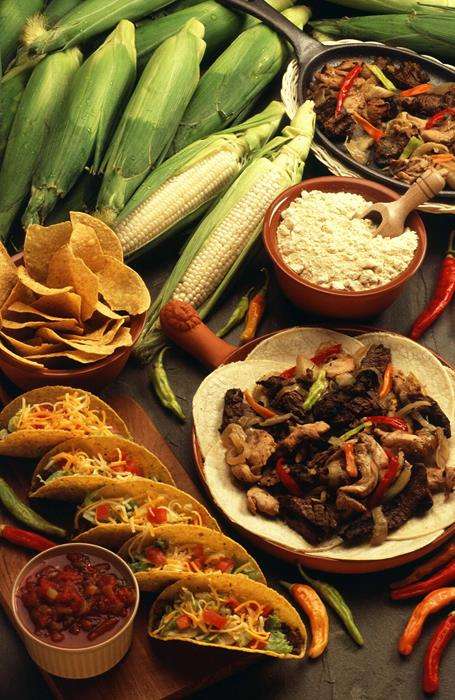
Tejano cuisine is a culinary fusion that brings together the best of Mexican and Texan flavors. The use of spices such as cumin, chili powder, and garlic reflects Mexican culinary traditions, while the incorporation of beef, a Texan staple, showcases the region’s ranching heritage. This blend creates dishes that are both flavorful and diverse, appealing to a wide range of palates.
- Spices and Seasonings: Mexican spices like cumin, oregano, and chili peppers are essential in Tejano cooking, adding depth and heat to dishes.
- Grilling and Barbecue: Texan influences are evident in the grilling techniques and the use of beef, especially in dishes like fajitas and barbacoa.
- Fresh Ingredients: Both Mexican and Texan cuisines emphasize the use of fresh, locally sourced ingredients, from garden-fresh vegetables to farm-raised meats.
Popular Tejano Restaurants and Food Spots in San Antonio
View this post on Instagram
San Antonio boasts numerous restaurants and food spots that serve authentic Tejano cuisine, offering residents and visitors alike a taste of this rich culinary tradition.
- Mi Tierra Café y Panadería: Located in the historic Market Square, Mi Tierra is a San Antonio institution, known for its festive atmosphere and delicious Tejano dishes. Open 24 hours, it offers everything from tacos and tamales to traditional Tex-Mex plates.
- La Gloria: Situated along the River Walk, La Gloria specializes in street foods of Mexico, bringing an authentic Tejano dining experience. Their menu features a variety of tacos, tamales, and other regional specialties.
- Rosario’s Mexican Café y Cantina: A favorite among locals, Rosario’s is celebrated for its vibrant flavors and creative dishes. Their enchiladas and grilled fajitas are particularly popular, showcasing the fusion of Mexican and Texan culinary traditions.
- The Original Donut Shop: Known for its unique combination of donuts and tacos, this spot is a beloved local hangout. Their breakfast tacos, filled with ingredients like chorizo, eggs, and cheese, are a perfect example of Tejano culinary ingenuity.
Festivals and Events
Festivals and events play a crucial role in celebrating and preserving Tejano culture in San Antonio. These gatherings bring the community together, showcasing the rich traditions, music, dance, and culinary delights that define Tejano heritage. Two of the most significant festivals are Fiesta San Antonio and the Tejano Conjunto Festival.
Major Tejano Festivals in San Antonio

Fiesta San Antonio
Fiesta San Antonio is one of the city’s largest and most vibrant celebrations, held annually in April. This multi-day event spans over a week and features a wide range of activities, including parades, concerts, and cultural exhibitions. Originally established in 1891 to honor the heroes of the Alamo and the Battle of San Jacinto, Fiesta has evolved into a grand celebration of San Antonio’s diverse cultural heritage, with a strong emphasis on Tejano traditions.
- Parades: The festival includes several colorful parades, such as the Battle of Flowers Parade and the Fiesta Flambeau Parade, where floats adorned with flowers and lights glide through the streets.
- Music and Dance: Live music performances, featuring Tejano bands and artists, are a highlight of Fiesta. Traditional dances, like cumbia and polka, are performed, inviting festival-goers to join in the celebrations.
- Food: A variety of food stalls offer Tejano culinary favorites, from tacos and tamales to more contemporary fusion dishes, reflecting the diverse flavors of the community.
Tejano Conjunto Festival
The Tejano Conjunto Festival, held annually in May, is a celebration dedicated specifically to Conjunto music, a genre that is central to Tejano culture. Established in 1982, this festival is the first and longest-running Conjunto festival in the country, attracting musicians and fans from across the United States and beyond.
- Music Performances: The festival features performances by both legendary and up-and-coming Conjunto artists, showcasing the accordion-driven sounds that define the genre. It’s a vibrant celebration of musical talent and tradition.
- Workshops and Competitions: In addition to concerts, the festival includes workshops where attendees can learn about Conjunto music, its instruments, and dance. Competitions and awards highlight the best in Conjunto music, encouraging new generations to keep the tradition alive.
- Community Gathering: The festival serves as a vital gathering for the Tejano community, fostering a sense of pride and continuity. It provides a platform for cultural exchange and the preservation of Conjunto music.
Significance of These Events in the Community
Both Fiesta San Antonio and the Tejano Conjunto Festival hold deep significance for the Tejano community in San Antonio. They are more than just celebrations; they are vital expressions of cultural identity and community cohesion.
- Cultural Preservation: These festivals play a crucial role in preserving Tejano traditions, music, and dance, ensuring that they are passed down to future generations. They provide a space where cultural heritage can be showcased and appreciated.
- Community Pride: The events foster a strong sense of community pride and unity. They bring together people from diverse backgrounds to celebrate the rich cultural tapestry of San Antonio, highlighting the contributions and influence of the Tejano community.
- Economic Impact: The festivals also have a significant economic impact on the city, attracting tourists and boosting local businesses. Food vendors, musicians, artisans, and other local entrepreneurs benefit from the increased activity and exposure.
Language and Traditions
Language and traditions are fundamental aspects of Tejano culture in San Antonio, reflecting the community’s rich heritage and vibrant identity. The use of both Spanish and English in daily life, along with cherished family traditions and celebrations, play a crucial role in maintaining cultural continuity.
Use of Spanish and English in Daily Life
In San Antonio, the interplay between Spanish and English is a distinctive feature of Tejano culture. Many Tejanos are bilingual, seamlessly switching between the two languages depending on the context and audience.
- Bilingualism: Spanish is often spoken at home, in social settings, and during cultural events, serving as a link to Tejano heritage and identity. English is commonly used in professional environments, schools, and public life. This bilingualism enriches communication and fosters a deep connection to both cultural roots and contemporary American society.
- Code-Switching: Code-switching, or alternating between languages within a conversation, is a common practice among Tejanos. This linguistic fluidity reflects the blending of cultures and allows for a nuanced expression of ideas and emotions.
- Cultural Expression: Language is a powerful tool for cultural expression. Spanish is often used in music, literature, and religious practices, helping to preserve traditional narratives and values.
Family Traditions and Celebrations
Family traditions and celebrations are at the heart of Tejano culture, bringing families together to honor significant life events and cultural milestones. Some of the most cherished celebrations include quinceañeras, weddings, and Dia de los Muertos.
Quinceañeras
A quinceañera is a traditional celebration marking a girl’s 15th birthday, symbolizing her transition from childhood to womanhood. This rite of passage is deeply rooted in Mexican culture and is widely celebrated among Tejanos.
- Ceremony: The celebration often begins with a religious ceremony, typically a Catholic Mass, where the quinceañera receives blessings and presents a bouquet to the Virgin Mary.
- Reception: Following the ceremony, a festive reception is held, featuring music, dancing, and a lavish banquet. The quinceañera, dressed in an elegant gown, performs a choreographed waltz with her court of honor.
- Traditions: Key traditions include the “changing of the shoes” from flats to high heels, symbolizing the transition to adulthood, and the “presentation of the last doll,” representing the end of childhood.
Weddings
Tejano weddings are joyous occasions that blend traditional Mexican customs with modern American influences. These celebrations are often large, family-centered events filled with love, music, and vibrant traditions.
- Ceremony: Many Tejano weddings include a Catholic Mass, during which the couple exchanges vows and receives blessings. A significant tradition is the “lasso ceremony,” where a rosary or decorative cord is placed around the couple to symbolize unity.
- Reception: The reception is a lively affair with music, dancing, and a feast. Traditional Tejano music, such as mariachi or conjunto, often accompanies the festivities.
- Customs: Common customs include the “money dance,” where guests pin money to the couple’s clothing to help them start their new life together, and the “bridal bouquet toss.”
Dia de los Muertos
Dia de los Muertos (Day of the Dead) is a significant cultural celebration honoring deceased loved ones. This tradition, with roots in Mexican indigenous practices, is observed with a mix of solemnity and festivity.
- Altars (Ofrendas): Families create elaborate altars in their homes or at cemeteries, adorned with photos, mementos, and offerings such as food, candles, and marigolds. These altars honor and remember the deceased.
- Celebrations: The celebration includes visiting gravesites, where families clean and decorate the tombs. They often spend time sharing stories, playing music, and enjoying favorite foods of the departed.
- Symbolism: Traditional symbols include sugar skulls (calaveras), colorful papel picado (cut paper decorations), and pan de muerto (bread of the dead). These elements reflect a vibrant approach to honoring life and death.
Art and Literature
View this post on Instagram
Art and literature are vital expressions of Tejano culture, capturing its history, struggles, and triumphs. San Antonio is home to numerous prominent Tejano artists and writers whose works reflect the rich cultural heritage of the community. The city’s art galleries and cultural centers play a crucial role in showcasing and preserving these artistic contributions.
Prominent Tejano Artists and Their Works
Tejano artists have made significant contributions to the art world, using various mediums to depict their cultural identity and experiences.
- Jesse Treviño: A renowned muralist and painter, Treviño’s works are celebrated for their vibrant depiction of Tejano life and history. One of his most famous works is the “La Veladora of Our Lady of Guadalupe,” a large mural located in San Antonio’s West Side, which honors the Mexican-American community’s faith and resilience.
- Carmen Lomas Garza: Known for her narrative paintings, Garza captures everyday scenes of Tejano life, celebrating cultural traditions and family gatherings. Her work, “Tamalada,” is a beloved piece that depicts a family preparing tamales, highlighting the communal spirit of Tejano culture.
- Adán Hernández: A prominent Chicano artist, Hernández’s paintings often address social and political issues faced by the Tejano community. His work is characterized by bold colors and dramatic compositions, as seen in his famous piece, “La Pistola y El Corazón.”
Influence of Tejano Culture in Literature
Tejano culture has significantly influenced literature, with many writers exploring themes of identity, heritage, and social justice.
- Sandra Cisneros: An acclaimed author and poet, Cisneros is best known for her novel “The House on Mango Street,” which, while set in Chicago, deeply resonates with the Mexican-American experience. Her works often explore the complexities of cultural identity and the struggles of growing up between two worlds.
- Carmen Tafolla: A celebrated poet and writer, Tafolla’s works are deeply rooted in Tejano culture and history. Her poetry collection “Sonnets to Human Beings” and children’s book “That’s Not Fair! Emma Tenayuca’s Struggle for Justice” reflect her commitment to social justice and cultural pride.
- Américo Paredes: A pioneering folklorist and writer, Paredes’ works focus on the borderlands and the Tejano experience. His book “With His Pistol in His Hand: A Border Ballad and Its Hero” is a seminal work that explores the cultural and historical significance of the border ballad tradition.
Art Galleries and Cultural Centers in San Antonio
San Antonio’s art galleries and cultural centers are pivotal in promoting and preserving Tejano art and literature. These venues provide spaces for artists and writers to showcase their work and engage with the community.
- Guadalupe Cultural Arts Center: Located in the heart of San Antonio’s West Side, this center is dedicated to preserving and promoting Latino arts and culture. It offers a wide range of programs, including visual arts exhibitions, literary readings, and cultural festivals.
- Centro de Artes: Situated in Market Square, Centro de Artes is a gallery that focuses on Latino art, with an emphasis on the local and regional Tejano experience. The gallery hosts rotating exhibitions that highlight the work of Tejano artists and explore themes relevant to the community.
- Museo Alameda: As the largest Latino museum in the United States, Museo Alameda showcases a diverse array of Latino art, history, and culture. Its exhibitions often feature works by prominent Tejano artists and explore the rich cultural heritage of the Mexican-American community.
- San Antonio Museum of Art (SAMA): SAMA hosts a variety of exhibitions that include works by Tejano artists. The museum’s extensive collection of Latin American art provides context and appreciation for the contributions of Tejano artists to the broader artistic landscape.
Community and Social Life
View this post on Instagram
Tejano culture is deeply ingrained in the fabric of San Antonio’s community and social life. Community organizations, family gatherings, and social events play a significant role in maintaining and celebrating this vibrant cultural identity. The influence of Tejano culture is evident throughout the city, shaping its unique character and sense of community.
Role of Community Organizations
Community organizations are vital in preserving and promoting Tejano culture in San Antonio. They provide support, resources, and a platform for cultural expression and advocacy.
- Guadalupe Cultural Arts Center: This organization is dedicated to preserving and promoting Latino arts and culture through various programs, including dance, music, theater, and visual arts. It serves as a hub for cultural education and community engagement.
- San Antonio Hispanic Chamber of Commerce: The chamber supports Hispanic businesses and entrepreneurs, fostering economic growth and community development. It also advocates for policies that benefit the Tejano community.
- Avenida Guadalupe Association: Focused on revitalizing the historic West Side of San Antonio, this organization works to preserve the area’s cultural heritage and improve the quality of life for its residents through economic development, education, and social services.
- Mexican American Unity Council (MAUC): MAUC provides social services, housing assistance, and educational programs to the Tejano community. It aims to empower individuals and strengthen the community through various initiatives.
Importance of Family and Social Gatherings
Family and social gatherings are central to Tejano culture, reinforcing bonds and celebrating traditions. These gatherings are often filled with music, dance, and food, reflecting the communal spirit of the Tejano community.
- Family Reunions: Family gatherings, whether for holidays, birthdays, or simply to spend time together, are a cornerstone of Tejano life. These events often involve extended family members and include traditional foods, music, and storytelling.
- Quinceañeras: This coming-of-age celebration for 15-year-old girls is a major social event in Tejano culture. It brings together family and friends for a day of festivities, including a religious ceremony, a formal reception, and dancing.
- Weddings: Tejano weddings are large, joyous occasions that highlight the importance of family and community. They often feature traditional music, dances, and customs that celebrate both cultural heritage and personal milestones.
- Festivals and Community Events: Social gatherings extend beyond family to community-wide events such as Fiesta San Antonio and the Tejano Conjunto Festival. These events bring people together to celebrate Tejano culture through music, dance, food, and various cultural activities.
Impact of Tejano Culture on San Antonio’s Identity
Tejano culture has a profound impact on San Antonio’s identity, shaping the city’s character, traditions, and community spirit.
- Cultural Heritage: Tejano culture is integral to San Antonio’s historical and cultural landscape. The city’s architecture, festivals, and public art reflect this rich heritage, making it a distinctive part of the city’s identity.
- Economic Influence: Tejano businesses, restaurants, and cultural institutions contribute significantly to San Antonio’s economy. The vibrant culinary scene, featuring Tejano staples like tacos and tamales, attracts both locals and tourists, boosting the local economy.
- Social Cohesion: The communal values of Tejano culture, such as the importance of family, community support, and cultural pride, foster a strong sense of social cohesion. These values are evident in the city’s numerous community organizations and social gatherings.
- Cultural Representation: The presence and contributions of the Tejano community are celebrated in various cultural events and institutions throughout San Antonio. This representation ensures that Tejano culture remains visible and influential in shaping the city’s identity.
Challenges and Future Outlook
The Tejano community, like many cultural groups, faces several contemporary challenges that impact their social, economic, and cultural well-being.
- Economic Inequality: Many Tejano families struggle with economic disparities, including lower income levels, higher unemployment rates, and limited access to quality education and healthcare. This economic inequality affects opportunities for upward mobility and overall quality of life.
- Cultural Erosion: As younger generations assimilate into broader American culture, there is a risk of losing traditional customs, language, and cultural practices. The influence of mainstream media and the decline in Spanish language use among the youth contribute to this erosion.
- Educational Barriers: Access to quality education remains a significant issue, with many Tejano students attending under-resourced schools. This affects their academic achievement and future career prospects, perpetuating cycles of poverty.
- Health Disparities: The Tejano community faces health disparities, including higher rates of diabetes, heart disease, and obesity. Limited access to healthcare services and culturally relevant health education exacerbates these issues.
- Political Representation: Despite being a significant demographic in San Antonio, the Tejano community often experiences underrepresentation in political and decision-making processes. This lack of representation can hinder efforts to address community-specific needs and advocate for equitable policies.
Efforts to Preserve and Promote Tejano Culture
Various organizations and initiatives are dedicated to preserving and promoting Tejano culture, ensuring its traditions and values continue to thrive in San Antonio.
- Cultural Centers and Festivals: Institutions like the Guadalupe Cultural Arts Center and events such as Fiesta San Antonio and the Tejano Conjunto Festival play a vital role in celebrating and preserving Tejano culture. These events provide platforms for cultural expression and community engagement.
- Education and Outreach Programs: Programs aimed at educating the youth about Tejano history and traditions are crucial. Schools and community organizations offer bilingual education and cultural workshops to keep the younger generation connected to their heritage.
- Media and Arts Initiatives: Local media outlets, artists, and musicians work to keep Tejano culture in the public eye. Radio stations, cultural publications, and art exhibitions highlight Tejano contributions and stories, fostering a sense of pride and continuity.
- Health and Social Services: Organizations like the Mexican American Unity Council (MAUC) and Avenida Guadalupe Association provide health and social services tailored to the needs of the Tejano community. These services include health education, screenings, and support programs that address specific health disparities.
- Political Advocacy: Advocacy groups work to increase political representation and influence for the Tejano community. Efforts to engage voters, support Tejano candidates, and advocate for policies that address community needs are essential for achieving equitable representation.
Conclusion
Tejano culture is a vital and vibrant part of San Antonio’s identity, reflecting a rich history and dynamic present. Despite facing challenges, the community continues to thrive through its strong traditions, music, cuisine, and social gatherings. With ongoing efforts to preserve and promote their heritage, the future of Tejano culture in San Antonio looks bright, ensuring that this unique cultural blend remains a cherished and influential part of the city.