

San Antonio owes much of its unique charm to the stunning Spanish architecture that graces its streets. From its early days, Spanish influence has played a crucial role in shaping the identity of the city, leaving behind a legacy of beautiful and historically significant structures. These architectural gems continue to captivate residents and visitors alike.
In this article, we will explore and appreciate the beautiful Spanish architecture of San Antonio. We’ll highlight its historical significance, notable landmarks, and the cultural impact it has on the community. Let us find out the stories behind these magnificent buildings and discover the timeless beauty that makes San Antonio’s Spanish architecture truly remarkable.
Historical Background
San Antonio’s architectural landscape is deeply rooted in its early history, shaped significantly by Spanish influence. Understanding this historical context is essential to appreciating the city’s beautiful Spanish architecture.
Early Spanish Influence in San Antonio
The early Spanish influence in San Antonio began in the late 17th and early 18th centuries when Spanish explorers and missionaries ventured into the region. Their primary aim was to spread Christianity and establish a foothold in the New World. This period marked the beginning of significant architectural and cultural contributions from Spain that would leave a lasting imprint on the city.
Founding of the City by Spanish Missionaries
San Antonio was officially founded in 1718 by a group of Spanish missionaries and settlers. The establishment of Mission San Antonio de Valero, later known as the Alamo, was a pivotal moment in the city’s history. The mission served both as a religious center and a community hub for indigenous peoples and Spanish settlers. The architecture of the mission, with its adobe walls and simple yet functional design, set the tone for future constructions in the area.
Role of Spanish Colonization in Architectural Development
Spanish colonization played a crucial role in the architectural development of San Antonio. The Spanish introduced new building techniques, materials, and styles that were well-suited to the local climate and resources. Key elements such as stucco walls, clay tile roofs, and internal courtyards became defining features of the region’s architecture. These innovations were not just aesthetic but also practical, providing insulation and protection from the harsh Texas sun.
Key Historical Periods and Their Architectural Impact
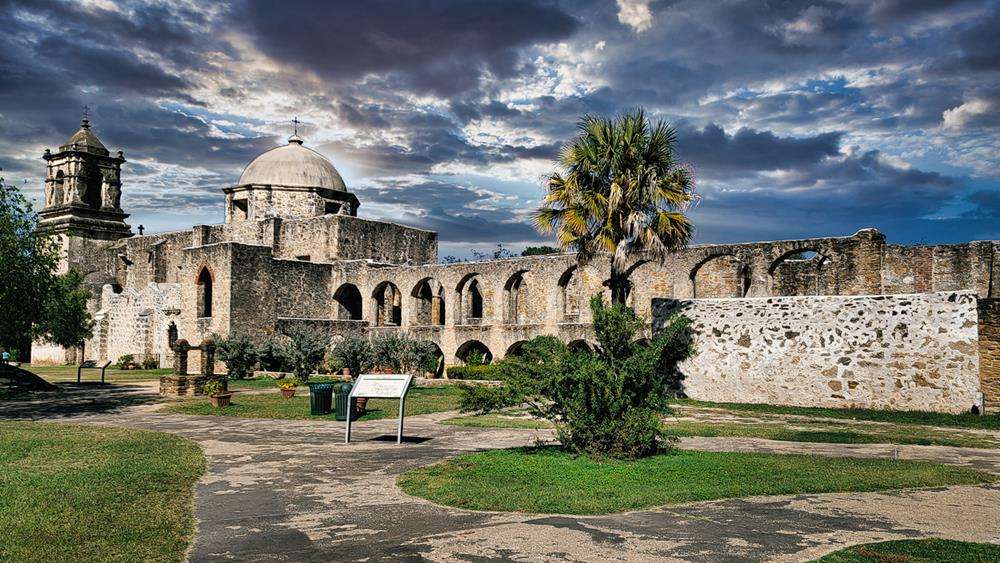
- Mission Era (1718-1793)
- The founding of the five Spanish missions, including the Alamo, Mission Concepción, Mission San José, Mission San Juan Capistrano, and Mission Espada.
- Architectural features: thick adobe walls, arched doorways, and bell towers.
- Spanish Colonial Period (1718-1821)
- Expansion of settlements and construction of civilian buildings.
- Development of plazas and public spaces centered around churches and missions.
- Mexican Period (1821-1836)
- Continuation and adaptation of Spanish architectural styles with influences from Mexican culture.
- Enhanced decorative elements and more intricate designs in residential and public buildings.
- Republic of Texas and Statehood (1836-Present)
- Preservation and restoration efforts to maintain historical Spanish structures.
- Integration of Spanish architectural elements into modern designs, blending the old with the new.
These historical periods collectively contributed to the rich architectural heritage that defines San Antonio today. Each era brought its own unique influences and advancements, resulting in a diverse and vibrant architectural landscape that continues to attract admiration and interest.
Notable Spanish Architectural Landmarks
San Antonio is home to several remarkable Spanish architectural landmarks, each with its own unique history and distinctive features. These landmarks not only highlight the city’s rich heritage but also stand as enduring symbols of its Spanish colonial past.
The Alamo
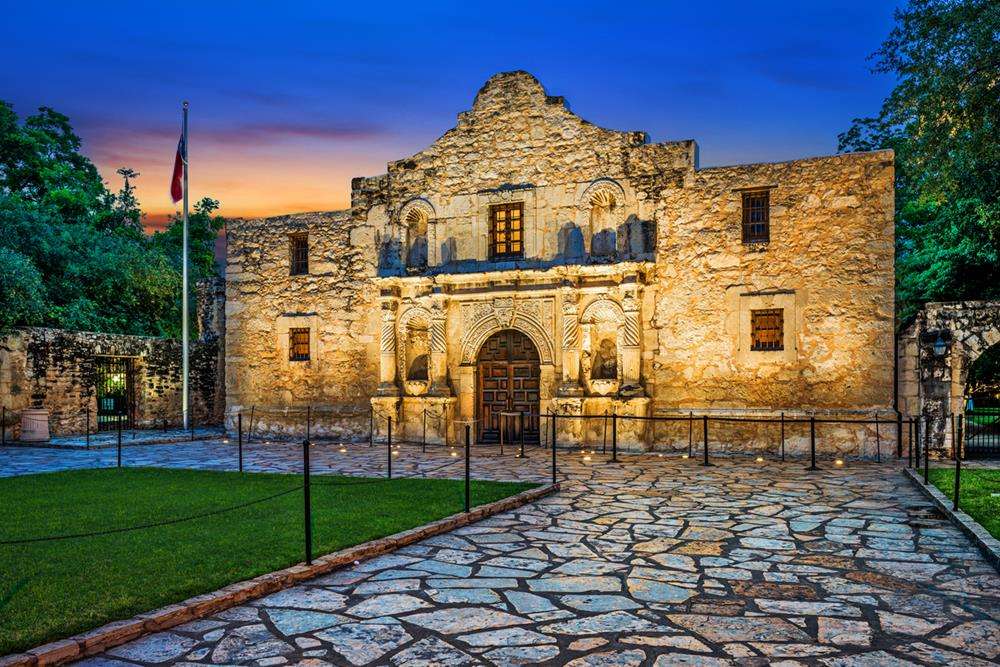
The Alamo, originally known as Mission San Antonio de Valero, is perhaps the most famous Spanish landmark in San Antonio. Founded in 1718, it played a pivotal role in the Texas Revolution, particularly during the Battle of the Alamo in 1836. Architecturally, the Alamo is notable for its robust, fortress-like design. The iconic façade features a distinctive arched roofline, stone construction, and small, barred windows, all characteristic of Spanish mission architecture. The simplicity and solidity of its design reflect both its religious origins and its later use as a military stronghold.
San Fernando Cathedral
Established in 1731, San Fernando Cathedral is the oldest continuously operating cathedral in Texas and one of the oldest in the United States. It was founded by a group of Spanish settlers from the Canary Islands. The cathedral’s original structure showcases a classic Spanish colonial style, with thick limestone walls, arched doorways, and a prominent bell tower. Over the centuries, the cathedral has undergone various renovations, but it retains its historic charm and remains a central spiritual and cultural hub in San Antonio.
Mission San Jose
Mission San José, often referred to as the “Queen of the Missions,” was established in 1720. It is renowned for its stunning Spanish mission architecture, which combines functional design with artistic elements. The mission features a large, well-preserved church with a striking rose window, intricately carved stone archways, and expansive courtyards. The layout of the mission, including living quarters and workshops, reflects the self-sustaining nature of these early communities. Mission San José stands as a testament to the architectural and engineering skills of the Spanish missionaries and indigenous peoples who built it.
Mission Concepcion
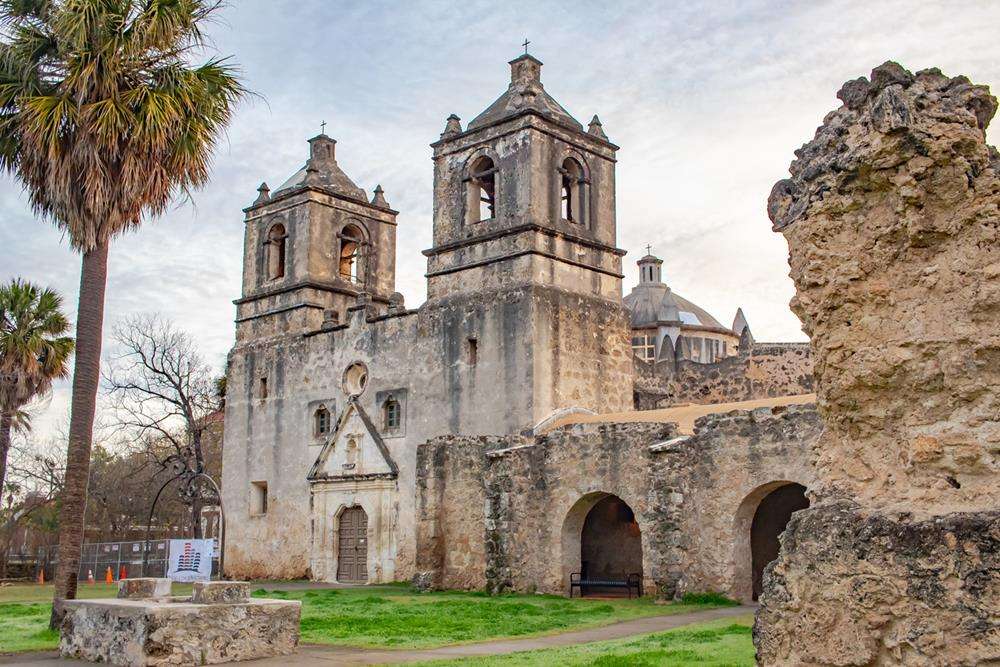
Mission Concepción, founded in 1731, is the best-preserved Spanish mission in Texas. Unlike other missions that have undergone significant restoration, Mission Concepción remains largely in its original state. The mission’s church is a prime example of authentic Spanish design, featuring solid stone construction, detailed frescoes, and symmetrical twin bell towers. The interior of the church, with its simple yet elegant design, reflects the spiritual and communal life of the mission’s inhabitants. Mission Concepción’s enduring authenticity provides a unique glimpse into the past and the architectural practices of the Spanish colonial period.
Architectural Features

The Spanish architecture in San Antonio is characterized by several distinctive elements that not only define its aesthetic appeal but also reflect practical adaptations to the local climate and cultural influences. These features contribute to the unique and enduring charm of the city’s built environment.
Common Elements of Spanish Architecture
- Stucco Walls: Stucco walls are a hallmark of Spanish architecture, providing a smooth and durable surface that is both visually appealing and practical. The thick stucco helps to insulate buildings, keeping interiors cool during the hot Texas summers and warm in the winters. The material is often whitewashed or painted in earthy tones, contributing to the warm, inviting appearance of these structures.
- Red Tile Roofs: Red clay tile roofs are another signature feature, instantly recognizable and widely associated with the Spanish colonial style. These roofs are not only aesthetically pleasing but also highly functional, offering excellent protection against the sun and rain. The vibrant red tiles contrast beautifully with the white or light-colored stucco walls, creating a striking visual effect.
- Arches: Arches are a prominent architectural element in Spanish buildings, used in doorways, windows, and arcades. The rounded shape of the arches adds an element of elegance and softness to the structures while also serving a structural purpose by distributing weight evenly. This design element is both functional and decorative, enhancing the overall beauty of the buildings.
- Courtyards: Central courtyards, or patios, are a defining feature of Spanish architecture, designed to serve as private, open-air spaces within the building. These courtyards often feature fountains, gardens, and shaded seating areas, providing a tranquil retreat from the outside world. They are integral to the layout of Spanish homes and missions, promoting natural ventilation and offering a serene environment for relaxation and social gatherings.
Decorative Details
- Ironwork: Ornate ironwork is a distinctive decorative detail in Spanish architecture, seen in window grilles, balconies, gates, and railings. The intricate designs range from simple geometric patterns to elaborate floral motifs, adding a touch of elegance and craftsmanship to the buildings. Ironwork not only enhances the visual appeal but also serves functional purposes, such as providing security and structural support.
- Colorful Tiles: Colorful ceramic tiles, known as azulejos, are used extensively in Spanish architecture for both practical and decorative purposes. These tiles adorn floors, walls, staircases, and fountains, bringing vibrant colors and intricate patterns to the spaces. The use of tiles helps to keep surfaces cool and easy to clean, while also adding a layer of artistic expression to the buildings.
- Ornate Carvings: Detailed carvings are another prominent feature, often found in doorways, window frames, and altars. These carvings typically depict religious scenes, floral patterns, and geometric designs, showcasing the artistry and skill of the craftsmen. The intricate details add depth and texture to the structures, making each building unique and visually captivating.
The common elements and decorative details of Spanish architecture in San Antonio not only contribute to the beauty and character of the city but also reflect a rich cultural heritage that continues to influence modern architectural practices. These features, both functional and decorative, create a cohesive and timeless aesthetic that defines San Antonio’s unique architectural landscape.
Modern Interpretations and Preservations
The legacy of Spanish architecture in San Antonio extends beyond historical landmarks. Its influence can be seen in contemporary buildings, ongoing preservation efforts, and new constructions inspired by traditional designs. This blend of old and new ensures that Spanish architectural elements remain a vibrant part of the city’s identity.
Influence of Spanish Architecture on Contemporary Buildings
The influence of Spanish architecture is evident in many modern buildings across San Antonio. Contemporary architects often incorporate traditional elements such as stucco walls, red tile roofs, and arches into new constructions. This fusion creates a seamless transition between historical and modern structures, preserving the city’s architectural heritage while meeting current needs.
- Residential Buildings: Modern homes in San Antonio frequently feature Spanish architectural details, including open courtyards, wrought iron accents, and tile work. These elements not only enhance aesthetic appeal but also improve functionality, offering natural ventilation and cooling in the hot climate.
- Commercial and Public Spaces: Many commercial buildings and public spaces, such as shopping centers, office complexes, and civic buildings, also draw inspiration from Spanish architecture. These spaces often include design elements like covered walkways, ornamental ironwork, and decorative tiles, creating a cohesive and inviting environment that reflects the city’s cultural heritage.
Efforts to Preserve and Restore Historical Spanish Buildings
Preservation and restoration efforts are crucial in maintaining the integrity and beauty of San Antonio’s historical Spanish buildings. Various organizations and community groups are dedicated to safeguarding these architectural treasures for future generations.
- San Antonio Conservation Society: Founded in 1924, the San Antonio Conservation Society is one of the oldest preservation groups in the United States. The society plays a significant role in protecting and restoring historic Spanish buildings, advocating for their preservation, and raising public awareness about the importance of architectural heritage.
- Historic District Designations: Several areas in San Antonio, such as the King William Historic District and the San Antonio Missions, have been designated as historic districts. These designations help protect the architectural integrity of these areas, ensuring that any renovations or new constructions adhere to specific guidelines that respect the historical context.
- Restoration Projects: Numerous restoration projects have been undertaken to preserve and rejuvenate historic Spanish buildings. For instance, the recent restoration of the Alamo included meticulous efforts to repair and conserve its original structures, ensuring that it remains a symbol of Texas history and Spanish architectural prowess.
Examples of New Constructions Inspired by Spanish Design
New constructions in San Antonio often draw inspiration from Spanish design principles, blending traditional aesthetics with modern functionality.
- The Pearl District: The Pearl District, a vibrant mixed-use development, features new buildings that incorporate Spanish architectural elements such as stucco exteriors, red tile roofs, and arched windows. The district seamlessly integrates these traditional designs with contemporary amenities, creating a lively urban space that honors the city’s heritage.
- Hotel Emma: Located in the Pearl District, Hotel Emma is a prime example of new construction inspired by Spanish design. The hotel combines historical elements from its original 19th-century brewhouse with modern architectural features. The result is a stunning blend of old and new, with Spanish-style courtyards, wrought iron details, and exposed brickwork.
- Residential Communities: New residential communities across San Antonio often feature Spanish-inspired designs. Developments such as Cibolo Canyons incorporate traditional elements like terracotta roofs, white stucco walls, and landscaped courtyards, creating homes that are both beautiful and functional.
These modern interpretations and preservation efforts ensure that Spanish architecture remains a living part of San Antonio’s cultural and architectural fabric. By honoring the past while embracing the future, the city continues to celebrate its rich heritage in a dynamic and meaningful way.
Cultural and Community Impact
Spanish architecture in San Antonio is more than just a visual or historical asset; it plays a significant role in shaping community identity and pride, fostering cultural events, and driving tourism and economic benefits. These elements intertwine to enhance the city’s social and economic fabric.
Role of Spanish Architecture in Community Identity and Pride
Spanish architecture is a cornerstone of San Antonio’s community identity, reflecting the city’s rich cultural heritage and historical roots. These architectural elements serve as daily reminders of the city’s origins and evolution, fostering a sense of continuity and belonging among residents.
- Cultural Continuity: The presence of Spanish architectural landmarks like the Alamo, San Fernando Cathedral, and the missions provides a tangible connection to the past, allowing residents to feel a deep sense of historical continuity. This connection is crucial for maintaining cultural identity across generations.
- Community Pride: The distinctive Spanish architectural style is a source of pride for San Antonio’s residents. The preservation and celebration of these structures symbolize the community’s respect for its heritage and commitment to maintaining its unique character. This pride is often expressed through local traditions, storytelling, and community engagement in preservation efforts.
Cultural Events and Celebrations Centered Around These Landmarks
San Antonio’s Spanish architectural landmarks often serve as focal points for cultural events and celebrations, which highlight the city’s heritage and bring the community together.
- Fiesta San Antonio: One of the city’s most prominent celebrations, Fiesta San Antonio, features numerous events held at or near historic Spanish sites. This annual festival includes parades, concerts, and cultural exhibitions that celebrate San Antonio’s diverse history and culture. The architecture provides a picturesque backdrop for these festivities, enhancing the experience for participants and spectators.
- Day of the Dead (Día de los Muertos): This traditional Mexican holiday is celebrated with vibrant displays and activities at various historic locations, including the Spanish missions and San Fernando Cathedral. Altars, marigold decorations, and processions pay homage to ancestors, blending cultural traditions with the city’s architectural heritage.
- Mission Reach: Events along the Mission Reach, a stretch of the San Antonio River that connects several Spanish missions, celebrate the history and significance of these landmarks. Activities such as guided tours, historical reenactments, and cultural festivals help educate the public and honor the city’s Spanish roots. bring the community together.
Tourism and Economic Benefits from Architectural Heritage
San Antonio’s Spanish architecture attracts millions of tourists each year, contributing significantly to the local economy and enhancing the city’s global reputation.
- Tourism: The city’s architectural landmarks are major tourist attractions, drawing visitors from around the world. The Alamo, in particular, is one of the most visited historical sites in the United States. Tourists are drawn to the unique beauty and historical significance of these Spanish structures, which offer a glimpse into the past and the opportunity to experience a distinctive cultural heritage.
- Economic Impact: Tourism related to Spanish architectural heritage generates substantial economic benefits for San Antonio. Revenue from hotel stays, dining, shopping, and cultural tours supports local businesses and creates jobs. The preservation and promotion of these historical sites are vital for sustaining this economic activity.
- Cultural Tourism: Beyond economic benefits, cultural tourism enriches the city’s social landscape by fostering greater appreciation and understanding of its history and heritage. Educational programs, guided tours, and interactive exhibits at architectural landmarks provide valuable learning experiences for visitors and residents alike.
The cultural and community impact of Spanish architecture in San Antonio is profound. It reinforces a sense of identity and pride, serves as a centerpiece for cultural celebrations, and drives significant tourism and economic activity. Through these multifaceted contributions, Spanish architecture continues to play a vital role in the life and legacy of San Antonio.
Conclusion
San Antonio’s beautiful Spanish architecture is a vital part of the city’s heritage and identity. From historical landmarks like the Alamo and San Fernando Cathedral to the modern interpretations seen in new constructions, Spanish architectural elements continue to shape the city’s landscape and culture. Efforts to preserve and celebrate these structures ensure that they remain an enduring symbol of community pride and a major attraction for visitors. By honoring its architectural roots, San Antonio continues to thrive as a city that cherishes its past while embracing the future.